The Future Of Forex: What To Expect?

Future Of Forex Trading

The Forex market has long been the hub of global financial trading, with a daily trading volume of trillions of dollars in various foreign currencies. The outlook of Forex trading is likely to change significantly with geopolitical moves and technological advancements. Forex's future seems demanding yet full of opportunities, from the development of AI-driven trading algorithms to the growing impact of developing markets. As the Forex market heads, we will analyze in this blog what traders and investors should expect in the coming years.

What can Impact on Forex Market in Future?

Several key elements can define the forex market's direction and will be important for its development. By improving data analysis, pattern recognition, and automated decision-making—possibly thus raising market efficiency—Artificial Intelligence (AI) is poised to transform forex trading. Interest rates will always be a major factor influencing currency values since changes in rates directly impact investment flows and demand for money. With real-time access and ease provided by mobile technology, which may help to democratize forex trading, traders' operations have already changed. Driven by states and intercountryal organizations, regulatory changes will keep affecting market liquidity and stability, thereby stressing the requirement of coordinated world rules. While geopolitical concerns and world crises will add layers of uncertainty, economic indices such as GDP growth, inflation, and political events will continue to impact currency movements. 

AI Impact on Forex

AI will change the currency market in the future, with both advantages and drawbacks. Artificial intelligence can improve trading strategies by analyzing enormous volumes of market data, pattern identification, and developing advanced approaches capable of more efficient and successful trading. Another benefit is the speed with which artificial intelligence systems can analyze data and execute transactions, which lets traders take advantage of transient market prospects lost to human traders. Furthermore, artificial intelligence's absence of emotional bias helps it stay disciplined in trading, avoiding the dangers of speculative hype or panic selling that sometimes influence human judgment.

The rising dependence on artificial intelligence in forex trading does, however, also have certain possible drawbacks. Overdependence on artificial intelligence systems could cause traders to become complacent, reducing their adaptability to changes in the market and their capacity to spot weaknesses in the algorithms. The sophistication of artificial intelligence algorithms can also be problematic since their opaque character could cause questions about transparency and accountability. Moreover, unscrupulous actors could easily manipulate artificial intelligence systems and supply misleading data to affect trade opportunities or leverage loopholes.

Although artificial intelligence promises to increase forex trading efficiency and profitability, it is imperative to balance its use with human supervision, openness, and security measures to handle these hazards. 

Interest Rates
A basic element of the forex market, interest rates significantly affect trading behavior and the value of currencies. Usually, a central bank's raising of interest rates results in an appreciation of the currency since more robust returns draw in foreign capital. On the other hand, reducing interest rates usually causes devaluation of currencies when investors migrate their funds to markets, yielding more returns. For traders trying to profit from interest rate differences across countries, these fluctuations in currency value are vital.

Interest rate fluctuations also stimulate capital transfers between countries. For instance, capital flows into the United States, strengthening the dollar against other currencies, if the Federal Reserve raises rates while other countries keep lower rates. Understanding how interest rates might affect worldwide currency dynamics requires this movement.

Rising inflation in the present economic climate is causing central banks to give interest rate increases more thought. Analyzers believe that while inflation continues, interest rates will climb, strengthening currencies like the US dollar or euro. These developments, meantime, also offer possible instability. Forex market swings might result from the expectation of rate increases as traders respond to news on future monetary policies and speculation.

Higher interest rates may draw investment and indicate economic confidence, but they may also slow economic development and cause market turbulence, presenting a complicated scene for forex traders.

Mobile Technology

Mobile technology will likely transform the forex industry by enabling trading more easily, conveniently, and user-friendly. Modern smartphones and tablets allow traders to interact with the forex market from anywhere. This accessibility removes obstacles so a wider spectrum of investors might enter the market. Real-time data, easy interfaces, and tools were previously only accessible on desktop systems and are offered via mobile trading apps, including MetaTrader and TradingView. This democratizing of trade will probably increase market activity, draw fresh players, and improve liquidity.

One of the main forces behind this change is the simplicity of use presented by mobile devices. While real-time data availability guarantees that traders may make quick judgments, user-friendly interfaces help newbies negotiate the complexity of forex trading. By letting customers define criteria for trades that run automatically, the requirement for continual monitoring is lowered, and convenience is improved through automated trading tools. Incorporating social trading elements also helps less experienced traders follow and copy seasoned investors' techniques, promoting a more cooperative trading environment.

Rising mobile trading does, however, also carry some dangers. Especially for novice traders, the simplicity and instant access to trading on mobile devices might cause impulsive judgments that raise the risk of losses. Given that mobile devices are more susceptible to phishing assaults and hacking, security issues also loom big. Safe techniques like two-factor authentication help traders be alert and safeguard their accounts. Furthermore, easy access to trading apps could cause emotional trading and diversions, compromising trading plans. 

Although mobile technology is changing the forex market by increasing accessibility and convenience, traders still have to be aware of the dangers connected with this newly acquired simplicity of usage.

Regulations

Forex trading is largely shaped by regulations, affecting investor trust and market stability. As the market develops and connects more with worldwide financial systems, the influence of present and future regulations will be notable.

Different countries have rather different regulatory environments right now. In countries like the UK, the Financial Conduct Authority (FCA) governs forex brokers and sets regulations to safeguard investors and maintain market integrity. However, less control can make dealers more vulnerable in areas with weaker legal systems. As the FX market expands, authorities will apply more standard and thorough policies across several countries.

One area of reform will most likely be a closer examination of forex brokers. Stiffer licensing rules, frequent audits, and better reporting standards let authorities improve control. With prospective policies including mandated risk disclosures, limits on leverage, and better access to educational materials, there will also be more emphasis on shielding regular investors. Furthermore, as forex trading spreads worldwide, consistent rules between countries should be pushed to ensure a fair playing field and lower the risks related to regulatory arbitrage. 

Furthermore, the emergence of mobile technologies and digital trading platforms will likely influence authorities to prioritise cybersecurity. This may require strong security systems and frequent audits to safeguard traders' data and money.

The Forex market will benefit as well as suffer from rules. Positively, by guaranteeing ethical and open operations, which increases market involvement, tougher rules might inspire investor trust. Furthermore, by reducing the risks related to fraud and manipulation, thorough regulations can help maintain market stability. On the downside, these rules could limit trading options, restrict trader flexibility, and raise broker compliance expenses, resulting in reduced profit margins or higher fees.

Economic and Social Aspect

The FX trading sector is deeply entwined with social and economic events influencing its dynamics and trader behavior. These elements will continue to affect the market as they change profoundly.

Forex trading revolves mostly around economic aspects. For example, global economic development directly influences the value of currencies. A country's currency usually gains value when it shows strong GDP growth, rising employment, and high consumer confidence, drawing foreign capital. On the other hand, economic crises might devaluate a currency, which would change trading policies. Another important factor is inflation since growing inflation usually forces central banks to increase interest rates, attracting investors looking for larger gains using their currencies. Furthermore, a country's trade balance, either surplus or deficit, is very much affected by currency demand. While those with deficits may decline, influencing trade decisions, currencies of countries with positive trade balances are likely to strengthen.

Furthermore, social factors are very important for the currency market. Currency prices can vary greatly depending on investor mood influenced by public confidence, market impressions, and geopolitical developments. A lack of faith in a currency brought on by political unrest or social upheaval usually drives investors toward safer assets. The broad acceptance of trading platforms and mobile technologies has also democratized forex trading, allowing more people to engage and raising market volatility. Cultural perceptions of risk and speculation influence market dynamics even more; areas more likely to engage in speculative trading show increased engagement.

Looking ahead, several developments can help define the forex trading sector. As involvement increases, more control might be added to guard retail investors and guarantee market integrity. Technological developments in artificial intelligence and machine learning will impact trading tactics and market analysis, guiding more data-driven decision-making. Moreover, changes in the global economy—particularly in developing countries—may change the conventional dynamics of currency value, therefore offering traders new chances and difficulties.

Final Word

Global economic trends, legislative changes, and technological developments will all help to affect forex trading going forward. While interest rates will always be crucial in response to inflation, artificial intelligence is supposed to improve trade efficiency. Mobile technologies will make markets more accessible; social and economic elements will affect dynamics. To negotiate this changing terrain, traders have to be flexible and aware.
Forex Trading: Pros And Cons

Forex Trading

Forex trading is one of the investment options that is greatly embraced in the ever-changing financial sector. However, it is very intricate. FX or Forex is the biggest and most liquid global financial market,boasting an average daily trading volume exceeding $7 trillion. The Forex attracts various types of traders due to its high liquidity nature, availability for trade during the day and at night as well as potential profits which can be large too. Be that as it may, there are pros and cons of forex trading, just like any other kind of business.

Pros Of Forex Trading

No Need A Lot Of Money

One can easily access forex trading because of the little amount of money required to start. The Forex market is different from other markets in that it allows people to engage in trade with very little money. This is because a lot of brokers provide accounts that one can open with a small deposit; thus it becomes less difficult for one to join in trading even with not enough capital at hand. On top of that, leverage is one more way that can be used to increase the gain of a forex trader. A good example is when someone has a leverage ratio of 100:1, he or she has the capacity to trade in currency values amounting to $100,000 by investing only $1,000. Nonetheless, although leverage may boost profits, it equally heightens the chances of suffering huge losses, emphasizing the importance of risk control and market knowledge.

Different Strategies

The Forex market can be used with any trading method because it accommodates all kinds for individuals who have different trading preferences. In this market, it is possible for traders to employ a number of strategies depending on what they want and the current situation of the market.

  • Technical Analysis: Technical analysts are traders who utilize historical information and charts to predict the future prices. Through techniques like trend lines, moving averages as well as many others, traders can recognize some statistics and act rationally with respect to what happened in the past.
  • Fundamental Analysis: To forecast how the currency will move, this strategy examines economic indicators, news events, and geopolitical developments. For example, traders may look at interest rates, inflation reports or employment figures in order to determine if an economy is doing well and how its currency may be affected.
  • Scalping: The scalpers specialize in carrying out many small trades so that they can profit from the minimal changes in price. To be successful in this trading strategy, one must have good attention to details and be able to make quick decisions.
  • Swing Trading: Swing traders aim at making profits over a short to medium term through holding positions for days or weeks. Their analysis is based on both technical and fundamental methodologies for spotting trends and possible turning points.
  • Position Trading: Position traders are not interested in short-term oscillations and concentrate on long-term market trends. Ideally, this may involve keeping position for a number of months, or even years, as determined by the overall economic environment and fundamental analysis.

Traders can choose one or more strategies, depending on what they think is appropriate in relation to their risk, time, and market outlook.

High Liquidity

Among the most advantageous features of the Forex market is its incomparable liquidity. The Forex market has unmatched liquidity as evidenced by its daily trade worth more than $7 trillion. This high level of liquidity provides for some very important forex trading advantages, including:

  • Tight Spreads: When liquidity is high, the bid-ask spread is narrow, implying that there is very little difference between buying and selling prices. This results in reduced transaction expenses for traders and more favorable trades execution.
  • Reduced Slippage: Slippage occurs when a trade is executed at a different price than expected. In highly liquid markets, such as Forex, slippage is typically reduced because large orders can be filled quickly and at prices close to the market rate.
  • Easy Entry and Exit: Being able to quickly get in or out of trades is very important, particularly to traders who must respond to changes in the market or news releases. With high liquidity, traders are able to trade huge volumes without distorting the market prices much.
  • Stable Market Conditions: The stability of the market is improved by liquidity which lowers the chances of wild fluctuations in prices, thus creating a trading environment that is predictable.

Accessibility

There are a few forex trading advantages of it being open 24 hours a day, five days a week. It operates continuously, starting on Monday morning in Sydney up to Friday evening in New York, with trading available at all times.

  • Flexibility: Forex trading is flexible in such a way that traders have the freedom of time. It accommodates all sorts of people; those who have to work in the morning, at noon and even those who work late into the night can still participate in the market.
  • Global Coverage: Because the Forex market operates in many different time zones, it reflects what is happening financially worldwide. With this kind of operation, traders are able to take advantage of any chance that arises by responding to economic data and news immediately.
  • Ability to Trade During Economic News Releases: Currency prices can be affected by a number of key economic indicators and news releases that take place after the normal working hours in the US. Traders have the opportunity of making trading decisions immediately, since they are able to follow such events round-the-clock in the market.
  • Continuous Market Evolution: Forex trading is done across various financial centers globally. Traders can take advantage of continuous market movement and high liquidity to trade at any time of the day.

Cons Of Forex Trading

Lack of Transparency

Forex trading is considered risky because it is not transparent. The forex market is different from the stock market because it does not have a central point that is defined by a strict legal and regulatory framework and which is overseen by the regulator. This means that trading occurs over-the-counter (OTC) through a network of banks, brokers, and financial institutions, rather than through a centralized exchange. Therefore, it is possible for a trader to get different quotes and prices from various brokers, making it difficult to determine the right pricing.

In addition, the absence of one person or organization that looks into the market leads to reduced monitoring of brokers. It may result in problems like manipulating prices and unfavorable trade conditions, particularly among weaker brokers who may not be well regulated. Traders would find it difficult getting dependable market information, and this affects them in making profits because of the absence of uniform guidelines.

Complexity

New traders may feel that the forex trading pros and cons, as well as the forex market in general, are too hard to understand. It is important for them to know that trading currencies involves a wide range of issues that affect exchange rates such as economic indicators, political events, interest rate changes and currency prices on the international market. For example, if a central bank decides to change the interest rate policy, this may lead to changes in the value of the national currency; while political instability within a certain region could also result in changing market trends.

Apart from fundamental analysis, Forex traders also depend on technical analysis. It consists of studying charts and past prices in order to predict what is coming next. This is possible through an understanding of charts and various technical indicators which make the process even more complicated.

Volatility

The forex market experiences high volatility. In this case, the prices of the currency may change a lot in a very short period. Exchange rate volatility is affected by various factors which include economic data release, political happenings as well as market rumors. Although volatility creates chances of making high profits, it also leads to increased risks of losing a lot.

For example, an unexpected economic report or political development can cause rapid and unpredictable price movements, making it challenging to anticipate market direction accurately. Traders must be prepared for the possibility of sudden market shifts and implement robust risk management strategies to protect their investments from large adverse movements, since there can be both forex trading pros and cons of these price changes.

Counterparty Risks

Counterparty risk in foreign exchange trading refers to the risk that the other party in a trade may default on their contractual obligations. Clearinghouse, which is present in regulated stock exchanges, cannot secure over-the-counter forex transactions. In other words, when an agent or a trade partner does not fulfill his duties, it may lead to monetary losses on the part of the forex trader.

In order to reduce the risks of counterparty, one should be careful and trade with reliable and authorized brokers to avoid mutual fund problems. Oversight over brokers is provided by regulatory bodies like the Financial Conduct Authority (FCA) in the UK or the Commodity Futures Trading Commission (CFTC) in the US which set out certain requirements aimed at ensuring trader’s protection. However, even with regulation, the risk of counterparty default remains a concern in the decentralized Forex market.

High Leverage

Leverage is a double-edged sword in Forex trading - a person can take control over big volumes with a little amount. On one side, it increases the possible profit. As an example, if a trader has access to leverage of 100:1 in his account, then he would be able to trade standard lots that cost about $100,000 by using only $1,000 from his trading account.

On the flip side, such high leverage increases the chances of incurring huge losses. A slight adverse move in the market could lead to a lot of money being lost, even more than what was initially invested. If not handled properly, leverage may cause quick losses - therefore, traders need to be knowledgeable about leveraging and use some risk control measures, or they will end up with big losses.

Final Word

Forex trading world is a mix of opportunities and hurdles. To all traders, be it starters or experienced ones, the Forex market remains unique due to its high levels of liquidity, as well as open nature that allows one to employ many different strategies. It is possible to take advantage of this global market by investing little money and trading at any time during the day or night. This means that anyone who wants to make money from changing prices in different countries can easily do so on the forex market.

Nevertheless, one must be able to see the risks and challenges associated with it. There are many problems that have to be taken care of, such as lack of transparency, unstable nature of the market, and potential for counterparty risks. Additionally, the complexity of the market and the impact of high leverage necessitate a thorough understanding and disciplined approach to trading, with demo account practice and other measures.

If you plan to join the Forex market, then being educated and prepared is very important. Having a good understanding of how the market operates, coming up with a proper trading plan and using risk control methods are all vitally important in reducing the high risk of trading failure. As with any financial venture, it’s important to weigh the pros and cons of forex trading carefully, stay informed, and approach it with both caution and confidence.

In the end, it is all up to you. Your risk tolerance, investment strategy and willingness to keep learning and adapting will determine whether Forex trading is consistent with your financial objectives. By staying aware of both the opportunities and the pitfalls, you can better navigate the complexities of the Forex market and work towards achieving your trading objectives.

What Happens If You Use An Unregulated Broker?

Unregulated Broker

The forex trading world is very fast. There are high chances of getting profit, but at the same time, the risks involved are also high. It is important to make the right decision when it comes to selecting a broker. Although there are many brokers working under proper legal structures, every day there are more traders that prefer unregulated forex brokers because they offer small spreads or provide very high leverage. Nevertheless, entering into the non-regulated forex market has its own dangers. Such brokers, without being controlled by financial authorities, may carry out their operations with little or no transparency, subject clients to additional risks and potentially engage in unethical practices.

What is an Unregulated Forex Broker?

Brokers are very important in the forex sector - they act as intermediaries between traders and the foreign exchange market. These agents give out tools and support for trading activities in the forex market such as buying and selling of currencies. Nevertheless, all brokers are not equal. A forex broker without regulation is one that does not have any formal oversight or control from an authorized financial institution.

Characteristics of Unregulated Forex Brokers:

  1. Lack of Oversight: Regulatory bodies do not control unregulated brokers through tough regulation and monitoring. As such, one cannot be assured that such brokers follow the set rules of trade or they are morally upright. For instance, in the UK, there is the Financial Conduct Authority (FCA), in the US, there is the Commodity Futures Trading Commission (CFTC), and Australia has the Australian Securities and Investments Commission (ASIC); all of which have regulations meant to safeguard clients’ interests, ensure fair dealing, and uphold proper functioning of the market.
  2. Operational Flexibility: Unregulated brokers can operate more freely when there are no regulations limiting them. Increased leverage offerings, reduced trading expenses, and other enticements that target traders can be some of the ways proving that. Although one may find these characteristics appealing, they pose great dangers due to the lack of accountability and oversight.
  3. Increased Risk: Fraudulent practices and unethical practices are more likely in situations where there is no regulation. Unregulated brokers might engage in practices such as price manipulation, unfair trading conditions, or even outright scams. In case of any problems, traders may have few options for help since there is nobody to take care of their complaints or enforce penalties.
  4. Varied Standards: Unregulated brokers have different operational standards. Lack of a standard means that service quality, platform stability as well as transparency are not uniform. Traders may have a challenging task in determining whether they can rely on such brokers given that their experiences and outcomes may be influenced by this disparity in quality of services.

Why Traders Should Be Cautious:

It’s like walking through a minefield when you choose to trade with an unregulated forex broker. The promise of improved trading conditions may blind one to the fact that certain measures are essential for one’s safety and comfort while trading. For this reason, traders should consider if they are better off with regulatory oversight which is meant to shield them from fraud and manipulation in the market.

To wrap it up, forex brokers who are not under any regulation do not work according to the established financial regulations. It offers both good and bad trading conditions to traders. Therefore, it is important for potential traders to understand what it means to trade in an unregulated market and how to protect their money.

Types of Regulators

It is essential to consider the regulatory authorities monitoring a forex broker in order to determine whether it is safe and reliable or not. The regulator ensures that the agent follows given rules of the trade; this may have some effects on the safety of your money. Here, we explore the different categories of regulators and what they mean for traders.

Top-Tier Regulators

The top-level regulators are famous for their strict regulations and thorough monitoring. To work under such regulatory bodies, brokers must comply with the most rigorous financial and operational standards. Key features include:

  • Client Money Protection: Client funds should be segregated by brokers and kept separate from their own money. This ensures that client money is protected in the event of the broker’s insolvency. In some jurisdictions, additional insurance may be required to guarantee reimbursement.
  • Risk Management: Traders are protected from taking too much capital risk by the strict risk management practices that these regulators enforce, which also involve leverage and margin limits.
  • Disclosure Requirements: Brokers must provide clear and accurate information about fees and trading conditions, ensuring transparency in their operations.
  • Complaints Handling: For a quick and fair settlement of issues, there should be an official way of dealing with customer complaints to guarantee their effective resolution.
  • Anti-Money Laundering (AML) and Know-Your-Customer (KYC) Requirements: Brokers are required to implement procedures to prevent money laundering and terrorist financing, including verifying the identity of their clients.
  • Training and Competence: It is important for brokers to make sure that their staff receive good training and can do their work correctly.
  • Fair Trading Practices: Brokers are expected to execute trades at fair prices that accurately reflect market conditions.

Notable top-tier regulators include:

  • United States: National Futures Association (NFA) and Commodity Futures Trading Commission (CFTC)
  • United Kingdom: Financial Conduct Authority (FCA)
  • Canada: Canadian Investment Regulatory Organization (CIRO), formerly known as IIROC
  • Australia: Australian Securities and Investments Commission (ASIC)

Mid-Tier Regulators

The mid-tier regulators have some characteristics that show a balance between strict oversight and flexible legal requirements. Although they are not as tough as those set by high-tier regulators, they still ensure a reasonable degree of protection and conformity. Some characteristics of mid-tier regulators are:

  • Regulatory Frameworks: They often align with broader international standards, such as the European MiFID financial harmonization law.
  • Oversight and Enforcement: Top-tier regulators oversee everything, but their mid-level counterparts might not take such thorough financial regulatory and enforcement actions.

Examples of mid-tier regulators include:

  • Cyprus: Cyprus Securities and Exchange Commission (CySEC)
  • Malta: Malta Financial Services Authority (MFSA)
  • Latvia: Financial and Capital Markets Commission of Latvia (FCMC)

Bottom-Tier Regulators

The least effective regulators have low oversight, short regulatory history and less strict enforcement. These types of regulators exist mostly in smaller or emerging economies and they may provide an inferior level of safety compared to top tier regulators. It includes the following important points:

  • Limited Oversight: Traders may face increased risks since these regulators usually are less strict with their requirements and supervision.
  • Enforcement Challenges: Regulatory standards enforcement is not always reliable because it varies, and this affects the trustworthiness of brokers operating within their regulatory jurisdiction.

Examples of bottom-tier regulators include:

  • Seychelles: Seychelles Financial Services Authority (SFSA)
  • Saint Vincent and the Grenadines: Saint Vincent and the Grenadines Financial Services Authority (SVG FSA)

Unregulated Forex Brokers - How to Recognize Them?

It is not easy to identify unregulated forex brokers, particularly if you are a beginner in the world of trading. Unlike the regulated ones that have very high supervision and follow certain guidelines, the unregulated brokers would most likely lack openness as well as responsibility. Here are some key indicators to help you separate regulated vs unregulated broker and avoid potential pitfalls:

1. Absence of Regulatory License Information:

One sure way to tell that a broker is unregulated is when there is no information providing such details. In most cases, brokers with regulation always indicate this fact clearly while also providing information about who is in charge of overseeing them. Take a look at the broker’s website and see if there are any references to regulatory licenses. After that, verify these claims with the mentioned regulatory agencies’ websites. If a broker is unwilling to give transparent information that can be verified about its compliance with the regulations, then there is a red flag.

2. Overly Generous Promotions:

Aggressive marketing strategies are typically adopted by unregulated brokers to attract traders. Promising high leverage, too low spreads that are not real and assured profits are some of the signs that a broker is trying to entice customers into a risky environment. Such attractive offers are common within the forex sector; however, one must be careful with them. Before falling for any kind of offer, make sure to check the authenticity and see if it complies with standard practices.

3. Poor Transparency and Communication:

Transparency is a hallmark of reputable brokers. Unregulated brokers may exhibit a lack of openness regarding their trading conditions, fees, and execution practices. They might also be less responsive to inquiries or customer support requests. If a broker is vague about its trading conditions or fails to provide clear information, it can be a sign of unregulated status.

4. No Physical Address or Contact Information:

The presence of a physical address and various ways of contacts such as phone and email in a forex broker’s website signifies its credibility. It may be hard to communicate with unregulated forex brokers since they may work with little or unclear contacts that they provide on their websites. If brokers do not have reliable customer support channels or a physical office, then this could mean that they are trying to evade accountability.

5. Negative Reviews and Complaints:

Valuable information can be obtained by researching the reputation of a broker. Check what other traders have said, especially on forums and review websites for forex trading. If a broker has a history of complaints related to withdrawals, account management, or customer service, this could be a sign of an unregulated operation. However, one should also note that negative comments alone may not prove that the entity is operating illegally; therefore, readers should take into account the general meaning and tone of such feedback in context.

6. Unusual Trading Conditions:

The broker’s trading conditions should be looked into. It is possible that unregulated brokers may give very high leverages that are tempting but dangerous. Additionally, discrepancies between quoted and executed prices or frequent slippage can be signs of questionable practices. A reputable broker should have trading conditions that align with industry norms and provide fair execution.

7. Lack of Investor Protection:

Segregated accounts and compensation schemes are some of the investor protection measures that regulated brokers must provide. On the contrary, unregulated brokers do not have these kinds of security nets for your investment; therefore, in a scenario where brokers become broke, you may not be sure that they had kept your funds safe. It is important to confirm if there is any investor protection provided by the broker and to be cautious when such precautions are lacking.

Pros & Cons of Unregulated Forex Brokers

Unregulated brokers may seem attractive because of the possible advantages that they have. But, these benefits are associated with very serious disadvantages which can affect your trade and financial safety. It is important to know the advantages and disadvantages of unregulated forex brokers for a wise choice between regulated vs unregulated broker.

Pros of Unregulated Forex Brokers:

  1. Attractive Trading Conditions:
    • Higher Leverage: The best unregulated forex broker usually provides increased leverage when compared to regulated competitors. By doing so, it is possible to increase the potential profit of a trader since they can take big positions with little capital.
    • Lower Spreads and Fees: These brokers might offer lower spreads or commission fees to attract clients, which can be appealing for traders looking to reduce trading costs.
  2. Flexible Trading Options:
    • Variety of Instruments: It is possible that unregulated brokers may offer a broader selection of trading instruments, such as exotic currency pairs and other financial products that can't be found with regulated brokers.
    • Innovative Features: They might offer unique trading platforms or tools that are not yet available through regulated brokers, potentially enhancing the trading experience.
  3. Less Restrictive Policies:
    • Fewer Constraints: Reduced regulations may lead to less strict trading conditions by unregistered brokers, including zero minimum deposits and relaxed margin rules.

Cons of Unregulated Forex Brokers:

  1. Lack of Transparency:
    • Opaque Practices: Unregulated forex brokers are not required to adhere to transparent reporting standards. This can lead to concerns about hidden fees, unfair trading conditions, or questionable practices.
    • Limited Accountability: In the absence of any regulation, the brokers can do what they like without being responsible for their activities; hence, traders encounter difficulties in seeking legal remedy in case of disputes or malpractices.
  2. Increased Risk of Fraud:
    • Potential Scams: The absence of regulatory scrutiny increases the risk of encountering fraudulent brokers who may engage in unethical behavior, such as price manipulation, false advertising, or even outright theft.
    • Financial Security: In case unregulated forex brokers experience financial problems, trading capital may not be safe as it is not separated from the general assets of the brokers.
  3. Unreliable Customer Support:
    • Variable Service Quality: The quality of customer service with unregulated brokers can be inconsistent, with some brokers providing inadequate support or failing to address issues promptly.
    • Difficulty Resolving Disputes: In the absence of a regulatory body to resolve disputes, it could be difficult for traders to settle disagreements and get their money back in case of any problem.
  4. Legal and Regulatory Risks:
    • Regulatory Changes: Trading with an unregulated broker may expose traders to legal risks if regulations change or if the broker’s operations become subject to new regulatory requirements.

Is Every Unregulated Broker Scum?

When people talk of an unregulated broker, they see all of them as liars and engaging in immoral acts. Be that as it may, one should consider this matter very carefully. Trading through unregulated brokers is indeed very risky; however, it should not be generalized that every unregulated broker trades with the public unethically or is fraudulent.

Understanding the Spectrum:

  1. Varied Intentions and Practices: There are different types of unregulated brokers. The best unregulated forex broker has good intentions but works in places where there are no regulations, while others have low quality or unfavorable conditions even though they don’t have any formal oversight for trading activities. However, on the other end of the spectrum, some unregulated brokers may engage in malpractices or introduce frauds with the aim of exploiting traders.
  2. Regulation vs. Reliability: The absence of regulation does not automatically equate to poor service or dishonest behavior. However, the lack of a regulatory framework does mean that there are no formal mechanisms for accountability. Traders considering the best unregulated forex broker should perform thorough due diligence to assess the broker’s reputation, client reviews, and overall operational transparency. There are a few unregulated brokers which follow ethical business practices and offer good client services, even though they fall beyond the scope of conventional regulations.
  3. Potential Risks and Benefits:Even though unregulated brokers may provide some advantages like low trading costs and high leverage that are appealing, they come at a cost too. When not under any form of regulation, a trader is not sure of being protected from fraud, manipulation as well as unfair trade among other risks. Traders must balance these potential advantages with the increased risk of encountering problems without a formal recourse.
  4. Due Diligence is Key: If you are thinking of working with the best unregulated forex broker, it is important to first carry out a thorough investigation. Look at the history of the broker as well as what other traders think. On top of that, one can determine how reliable and trustworthy a given broker is by analyzing certain indicators like level of operating transparency and customer service quality.
  5. The Role of Reputation: Reputation can be a valuable indicator of a broker’s credibility. Many reputable brokers, even those operating without regulation, may have established a strong track record of fair dealings and customer satisfaction. Checking for industry awards, partnerships, and endorsements can provide additional context about the broker’s standing within the trading community.

It is not right to state that all unregulated brokers are dishonest or untrustworthy. Although trading with unregulated brokers may have some additional risks related to the absence of regulation, one should assess every broker separately. This way, one will be able to tell a fraud from a truly reliable unregulated broker by carrying out a proper study and being cautious. In the end, grasping how each broker works will reduce risks and enable clients to trade with confidence.

How To Trade Forex With 100$ – Guide For Beginners

Start Forex Trading With 100$

The forex market, where people trade different currencies from all around the world, can be quite profitable; however, it can be highly risky, especially for first-timers who have limited capital to invest. Many beginners think that they need to invest huge amounts of money to start trading in the forex market - this is not true at all. By investing only $100, one can set off their journey in forex trading.

If you are not experienced in trading but would like to start, or you have a little capital and want to increase it, then after reading this guide you will be able to take the first steps in the right way. It offers the necessary knowledge and tools that will enable you to get started with confidence.

Is It Possible To Trade With Only 100$?

Yes, it is absolutely possible to trade Forex with only $100. Understanding how to leverage your small capital effectively, managing capital risk, working with the best forex trading platform for beginners, and choosing the right trading strategy are important for success.

It is easy for people with little money to trade in the forex because the brokers provide accounts whose initial deposit is low. By depositing only $100 into your trading account, you are usually allowed to apply leverage – an instrument increasing your buying or selling power while requiring less capital. To illustrate, if your account has a leverage of 1:100, then $100 can be used to control a trade that is worth $10,000 in the market.

On the other hand, leverage does not just amplify potential profit but also multiplies risk. In case the market goes in the opposite direction to what you had anticipated, then you may lose a high fraction of that $100 in just a short moment. For this reason, it is essential to be disciplined in matters concerning risk management, especially when trading with a small account.

How Does It Work? Real-Life Example

Let's say you open a Forex trading account with $100 and pick a currency pair, such as EUR/USD. Suppose the leverage provided by your broker is 1:50, meaning your $100 can control a $5,000 position in the market.

A position is taken by you in EUR/USD at 1.1000 with hopes that the price will increase. You have control over 5,000 units of EUR/USD because of your leverage. With a rise to 1.1050, you would have 50 pips. The profit made from this trade is around $25 on a 5,000-unit trade or a return of 25% on your initial $100.

On the other hand, a 50-pip decrease in price results in a $25 loss, which leaves $75 as your account balance. From this example, we can see that there is high profit potential and risk associated with working on low capital accounts.

It is possible to trade Forex with $100, but it requires a careful approach, using the right amount of leverage, and being very strict about risking money in order not to incur massive losses. If you start with a small amount and get some experience, you will be able to improve your trading skills and grow your trading account over time.

Step-By-Step Guide

It is possible to start your Forex trading journey with as little as $100 and gain a valuable learning experience from it. Here’s a step-by-step guide to help you get started and make the most out of your small investment.

Find Platform With Demo Accounts

It is important to get accustomed to the trading platform first before engaging in any real money trade. Demo accounts prove to be very useful under such circumstances because they offer a secure environment in which you can practice as well as refine your trading skills.

Start by researching the best forex trading platform for beginners that have a reputation for being reliable. Seek brokers who have positive feedback and have been providing good services in the past. There are some websites that can help you know more about the performance of brokers and what users go through. Make sure that the broker is under the regulation of a recognized financial authority such as the Financial Conduct Authority (FCA) or the U.S. Commodity Futures Trading Commission (CFTC). This will guarantee that your money is safe and the broker adheres to industry standards.

After that, confirm whether the broker has a demo account. By trading with virtual money in a demo account, one can trade and gain experience with no risk of losing money. Make sure the demo account is available for a duration long enough to thoroughly familiarize yourself with the platform. The majority of brokers provide free demo accounts which may be limited in certain cases, so select a broker that suits you.

Finally, evaluating the features of the platform is important as it will help you determine whether it meets your trading requirements or not. 

  • See if the platform has an interactive interface which is easily navigated and allows for quick order execution. 
  • Make sure that the platform avails itself with various types of technical analysis tools; for example, customisable charts as well as real-time data should be there. 
  • For those who intend to trade using their smartphones, they should confirm if the broker has a reliable mobile application that has similar functionalities to the desktop version.

Research Market And Open Account

To start your trading journey, you must first navigate the Forex market and open a trading account. The following is an in-depth guide to assist you with this stage:

1. Market Research:

To ensure that you make wise trade choices, you should deeply study the movement of the forex market.

  • Understand Currency Pairs: Get to know the major currency pairs e. g. EUR/USD, GBP/USD, and USD/JPY. By understanding how these pairs interact, you may be able to gain some knowledge about general market trends.
  • Economic Indicators: It is important to keep an eye on certain economic factors, such as inflation, interest rates, and employment figures. Currency values and market movements can be greatly affected by these indicators.
  • Geopolitical Events: Keep up with what is happening around the globe and in politics. The rise and fall of currencies can be as a result of elections, trade deals, as well as international conflicts.

2. Choose a Broker:

If you want to trade seamlessly, it is important that you choose the right broker. Here’s what to look for:

  • Reputation and Regulation: Opt for brokers with a solid reputation and positive user feedback. Ensure they are regulated by reputable financial authorities like the Financial Conduct Authority (FCA) or the U.S. Commodity Futures Trading Commission (CFTC).
  • Trading Conditions: Examine the trade conditions provided by the broker. Look at the spread sizes, commission fees, and leverage options. If you want to make maximum profit from trading, choose brokers who offer low spreads and competitive fees.
  • Customer Support: To evaluate the broker's customer support, reach out to them and ask questions. Without efficient and responsive support, it would be impossible to deal with any arising matters.
  • Account Features: Take a look at the various types of accounts offered and find out the least minimum deposit requirement to open each one. After that, make a decision on which account to open based on your trading requirements and financial position.

3. Open an Account:

Once you’ve selected a broker, follow these steps to set up your trading account:

  • Complete Registration: Enter your personal data, contact details and financial history in the online registration form provided by the broker. Providing accurate information will prevent any delays regarding the setup of the account.
  • Verify Your Account: In compliance with the broker’s instructions, submit the necessary identification papers and evidence of address. Your account is made safe through this verification process that makes sure it complies with regulatory requirements.
  • Activate Your Account: Proceed with the last stages in order to activate your account. After verification, you can fund your account and begin trading.

Fund Account

Once your account is set up, the next step is to deposit your $100. It is very important to properly finance your trading account so that you will be able to trade with enough margin and open positions.

To start with, choose the most convenient method for you to make a deposit. Various options are available in forex for traders to use such as bank transfers, credit cards, debit cards, or other forms of online payment like PayPal and Skrill. Nevertheless, every method has its specific duration of processing payments and costs; therefore, select what is the most suitable for you. Ensure that the method you select is secure and if the broker encrypts your financial information.

Proceed to make the deposit by following the broker’s instructions. Enter the deposit amount ($100) and confirm the transaction. It is likely for brokers to have instant deposits, although this can also be different based on the method in use. Ensure that the amount of deposit is not less than what is needed in funding the account of your selected type.

Ensure that the $100 deposit is reflected in your trading account after making a deposit, and then check if it is available for trading. Also, review any deposit fees or charges that might apply. Take note that some brokers may have no fee deposits, while others may have costs associated with certain payment methods.

Choose Your Strategy

Prior to investing your $100 in Forex trading, make a choice of a trading strategy that suits what you want to achieve and how much risk you can take. It might be difficult to decide on the most suitable beginner $100 forex trading plan out of many. Read about some of the most popular beginner forex trading strategies below and see which ones would work best for you:

  • Day Trading: In day trading, one opens and closes positions within the same day. It is a tactic that is meant to take advantage of small price changes, while at the same time being able to react immediately to any new developments in the market. Most day traders do not hold positions overnight because this would expose them to threats of losing due to unpredictable changes that may occur in the market overnight. This strategy is popular for its potential to generate quick profits but requires constant monitoring and can be stressful due to its fast pace.
  • Swing Trading: Swing trading is when positions are held for a few days to weeks so as to capitalize on the medium-term market trends. In most cases, swing traders will get into a trade after recognizing a certain trend in the market and will exit such trades when they see that the trend is changing. This approach offers a balance between the rapid pace of day trading and the long-term commitment of position trading. Swing trading is often favored by those who prefer fewer trades and can dedicate some time to analyzing market trends.
  • Scalping: Scalping is a trading strategy that involves trading numerous but small trades over short periods and taking advantage of small price changes. Scalpers aim for quick, frequent profits rather than large gains from a single trade. Given that such positions are maintained for just a couple of minutes, this approach is very intense and requires quick decision making. Although it can yield profits, scalping usually has high transaction costs and is very demanding in terms of time and effort.

Choosing the Right Strategy

Your objectives, risk tolerance, and time availability largely determine the kind of beginner $100 forex trading plan that you will select. It is important to note that every strategy has both positive and negative sides:

  • Day Trading: Day trading offers flexibility and potential for high returns, but it is risky and involves managing many trades simultaneously. It may not be easy for starters because they may have to deal with increased transaction costs from trading regularly.
  • Swing Trading: Swing trading is generally easier to manage, as it involves fewer trades compared to day trading. It suits those who prefer a less hectic approach and can handle holding positions for a longer period. However, swing trading may not perform well in sideways or range-bound markets where trends are not clear.
  • Scalping: Scalping requires high-frequency trading and can result in substantial transaction costs, which might erode profits. It demands a high level of focus and quick reflexes, making it less suitable for beginners or those with limited time.

Market Analysis

It does not matter what plan one adopts; effective market analysis is vital. You can rely on:

  • Fundamental Analysis: This involves analyzing macroeconomic news and events that can impact currency prices, such as economic reports, interest rate changes, and geopolitical developments.
  • Technical Analysis: It is a method that involves the use of chart patterns, technical indicators, and historical price data to predict the future prices. Through technical analysis, you can recognize trends, support/resistance levels as well as measure volatility.
  • Combined Approach: Fundamental and technical analyses are combined by most traders. To illustrate, fundamental analysis could be applied in determining the general movement of the market while technical analysis is useful to time your entries and exits more precisely.

Recommended Strategy for $100 Accounts

When dealing with a limited trading account, swing trading may appear as the most viable option. A small $100 account will result in a low number of trades per week. As a result, it will be easier for you to manage the trades and there will be little money spent on transactions. By using this approach, it would be possible to concentrate on wider market trends and learn from important trades only, making it ideal for starters as well as those aiming to minimize costs.

So, Is 100$ Good for the start?

Although $100 may appear small to start with in Forex trade, it is very viable if used the right way by a trader who has some strategies in mind. First of all, let us talk about the pros and cons of starting off with this capital, and then we shall discuss how one can maximize on that amount.

Advantages of Starting with $100

Firstly, trading with $100 offers low risk exposure. It provides an affordable entry point into the Forex market, minimizing the financial risk associated with trading. This smaller investment allows you to learn the intricacies of the market without the pressure of potentially losing a significant amount of money. It also encourages disciplined trading and careful decision-making, giving you a controlled environment to develop your skills and understand your risk tolerance.

On top of that, a lot of brokers provide leverage, which increases your buying power. This means that your $100 may have control over a trade that is larger than what could have been possible with the money in your account. As an example, at a leverage ratio of 1:100, $100 could be used to control a $10,000 position. The increased leverage serves to increase your potential earnings but at the same time increases the risk of losses.

With an initial capital of $100, one can easily adjust to any situation. A trader is given the opportunity to try out various beginner forex trading strategies and systems. It does not matter if you like day trades, swing trades, or scalping – having a low deposit account means that you can try different ways without investing too much money into one of them. By doing this, you may be able to identify the most appropriate tactics that best suit your trading style.

Challenges of Starting with $100

Despite its advantages, trading with $100 comes with certain challenges. One significant issue is the limited margin for error. With a small account, even minor market fluctuations can have a substantial impact on your balance. This can lead to margin calls or stop-outs if the market moves unfavorably, making it crucial to manage risk carefully.

The profit potential is also a challenge. Having a small account means that you will take lower risk since your position size will also be small. On top of that, trading costs in the form of spreads and commissions could impact the overall profitability by consuming a greater portion from the account.

Trading a small account presents some psychological challenges as well. Managing little funds has a huge emotional pressure; it gets even worse when there is volatility in the market. It’s important to maintain discipline and avoid emotional decision-making to protect your capital and make rational trading choices.

Making the Most of Your $100

If you want your $100 trading account to be as effective as possible, concentrate on education. Spend some hours studying Forex trading, market analysis and risk management. With increased knowledge, one is able to make the right choices and come up with a good beginner $100 forex trading plan.

By managing risk effectively, it is possible to keep your account safe and prevent huge losses. This can be achieved by using stop loss orders, as well as restricting trade sizes to protect the trading capital. With effective risk management, you are able to save your money for future use in the market.

Finally, start small and scale up gradually. Begin with modest trades and increase your position sizes as you gain experience and confidence. Avoid taking high-risk trades in an attempt to quickly boost your account balance.

It is possible to start trading in the Forex market with $100 which is practical and manageable. It may not be easy, but the main point is that one should have a disciplined mindset, apply risk management techniques, and keep on learning. Approached correctly, this can give you valuable trading experience and establish a good basis for operating effectively on the Forex market in future with greater capital investments.

How To Deal With Negative Emotions In Trading

Negative Emotions In Trading

The financial markets are characterized by high risks, where traders experience various intense feelings that may affect them greatly. Traders pass through different emotions in their day such as being thrilled when they make profit or getting angry when things don’t go as planned. But even though trading can produce some great feelings like excitement, it’s those bad ones – the ones that make you afraid, panicky, and pissed off, or even feel like all hope is lost – that are usually the hardest to deal with.

Trading decisions may be affected by such emotions, which result in impulsive decisions and lower the trading performance. It is important for every aspiring trader to know the right way of controlling negative feelings since they could have a significant impact on trading results in the long run.

Why Control Emotion Is Crucial?

Trading is greatly influenced by emotions, which can push a trader to failure or propel them to success. Trading in a logic driven environment may lead one to believe that trading is completely rational given that it relies heavily on numbers and data. The truth is - trading goes beyond that. Decisions can be affected by emotions in sophisticated ways, which is why being able to control one’s emotions is vitally important for all traders.

1. Avoiding Impulsive Decisions

Unchecked emotions can be very dangerous because they may result in impulsive decisions. It is possible for the most seasoned traders to follow a different course from what they had planned if they face fear, greed or frustration. Such traders will tend towards chasing losses, engaging in excessive trading activities as well as exiting beneficial market positions too early, causing huge financial loss in many cases.

2. Maintaining Objectivity

Going for emotion less option trading is important for staying impartial while trading. It is simple for someone to get a bias and only see the things that are favorable in the market data when they are highly emotional. In turn, this may result in overspending when one is succeeding or too much negativity when the situation is bad. Traders who keep their feelings under control are able to evaluate the state of the market and rely on information and strategy (rather than being swayed by emotions) to make judgment calls.

3. Enhancing Consistency

In trading, one cannot trade effectively without being consistent. As we all know, the market is highly volatile; therefore, one could easily act out of the line if there's a lack of emotional control due to some factors that may have affected the feeling of a trader at that particular moment. With emotion less option trading, traders can stick to their plan, execute trades with discipline, and achieve more consistent results over time.

4. Reducing Stress and Burnout

Engaging in trading is stressful, and it may leave one with so much to worry about because of its exhausting nature. Education on ways of overcoming negative feelings is beneficial in enhancing trading performance while decreasing stress-related problems such as burnout. Properly managing emotions enables traders to cope effectively with market stress, allowing them to engage in trading practices that are sustainable and healthy.

Basically, managing emotions does not only enhance trade outcomes; it also promotes a mentality that improves rational thinking, strategic choices and ultimately attaining one’s goals. Traders who are able to control their emotions will be in a position to move through high and low market conditions without any problems, setting the stage for enduring profitability.

Most Popular Negative Emotions While Trading

In the trade market, emotions tend to control our decisions because trading is all about psychology. There are so many emotions that traders feel, but some are very influential and common for making losses. It is important for individuals to understand every negative emotion in trading (such as fear, nervousness, conviction, excitement and overconfidence) so that they can be disciplined in their trading and have effective ways of dealing with it.

Fear/Nervousness

Trading is an activity that is often filled with fear - a feeling that results from the doubt and lack of a definite trend of the financial market. Traders commonly experience this emotion in the form of anxiety or nervousness, especially when they are on the verge of losing. This kind of fear may paralyze a trader, who does not dare to act – for example, to open or close a deal - because they are afraid to make a mistake. On the other hand, such fear may make one close positions too early, missing better opportunities with successful outcomes. To overcome this negative emotion in trading, one has to create tight trading plans with predetermined stop-loss levels and understand that it is only natural to incur certain losses while trading.

Conviction/Excitement

Even though conviction and excitement may appear as good things at first, they can become negative when not based on rational thinking and discipline. Conviction tends to make one too sure in a given trade without seeing the emerging capital risks as well as contradicting signals. On its part, excitement within volatile markets may lead to irrational behaviors like entering trades without proper analysis or even increasing positions beyond reasonable limits. Such emotional highs are dangerous because they usually make people take on risks that are out of place with their plans. It is important for traders to have confidence, but they must also be careful and control excitement in order not to take any impulsive decision which may prove harmful in the future.

Overconfidence

Trading is the field where overconfidence can be highly risky, although it appears harmless. It is a state of mind which may make traders feel that they know everything about the business and that even the normal risks associated with trading cannot affect them. If left unchecked, this sense of safety will make them take too much risk, abandon risk management measures as well as neglecting those market signs that may be contradicting but essential. On top of that, it may make them fail to let go of losing trades quickly because they believe that the market will turn around in due time and favor their trade again. Dealing with this negative emotion in trading requires a strong emphasis on humility, continuous learning, and strict adherence to trading rules and strategies.

Tips To Control Emotions In Trading

It can be very difficult to trade well when you are unable to manage your feelings - yet, this is important if you want to succeed in the long run. If traders lack emotional control, they will most likely make hasty decisions that contradict with the trading plan which in turn cause them to lose money. The following are a few useful strategies that can be used by traders to stay disciplined in the market and engage in emotion less option trading:

1. Develop a Solid Trading Plan

Traders need a good plan, just like a map is needed to travel through the forest without losing one's way. This plan must have certain points such as the entry and exit, risk control measures, as well as rules for determining the volume of trading positions. If traders follow their plans, they will make logical conclusions depending on facts collected earlier, and not under the sway of their emotions.

2. Practice Mindfulness and Self-Awareness

One way of practicing mindfulness is by being present at the moment and recognizing trading emotions and psychology objectively. Through mindfulness practice, traders can identify the initial signs of emotions such as fear, greed or overconfidence. As a result of this awareness, they can take a break, take a breath, and approach their trading decisions with a clear mind. Meditation, deep breathing, and journaling are some techniques that can be employed to develop this kind of awareness while decreasing emotional reactivity.

3. Set Realistic Goals and Expectations

When traders fail to achieve their unrealistic objectives, they become frustrated and undergo emotional distress. A balanced perspective that does not lean on the extremes of emotions in pursuit of unreasonable profits can be maintained through setting attainable, realistic goals. Understanding that trading is a marathon, not a sprint, can help traders stay focused on the process rather than getting caught up in short-term results.

4. Take Regular Breaks

Trading is mentally tiring, and looking at the screen for long can increase stress as well as emotional volatility. Traders require breaks to refresh their minds so that they are able to make proper decisions in the market. This becomes even more necessary when they have either experienced some losses or a string of wins, since it will guard against emotional decisions driven by recent outcomes.

5. Use Stop-Loss and Take-Profit Orders

It is possible to eliminate emotional bias in decision making by automating some parts of your trade. With stop-loss and take-profit orders, it is guaranteed that you follow your plan while trading, regardless of how you feel. If you preset such orders, then you will not be tempted to wait a bit longer with the losing trade or quickly close the trade when it starts bringing profit out of fear.

6. Keep a Trading Journal

Keeping a trading journal in which you record your trades, each negative emotion in trading, and thought processes is crucial. By doing this, you can see the way you behave in certain situations and also determine how much effect trading emotions and psychology have on your trading decisions. In the long run, such self-assessment may help improve emotional control, resulting in consistent trading outcomes.

7. Focus on Process, Not Outcomes

It’s easy to get caught up in the outcomes of individual trades, but this can lead to emotional rollercoasters. Instead, focus on the process—following your strategy and sticking to your rules. When you judge your success by how well you adhere to your plan, rather than by the profit or loss of each trade, you reduce emotional stress and cultivate a more disciplined trading mindset.

Traders can follow these guidelines to manage their emotions properly. If followed, this will lead to logical choices and improved trading outcomes. It is important to note that emotional control does not mean blocking out every negative emotion in trading, rather it involves recognizing them and being able to deal with them, so that you can keep your eyes on your long-term trading goals.

Stop-Loss Orders: Can It Improve Your Trading?

Stop-Loss Order Graphic

Risk management is essential while trading in a volatile market, where anything can happen within a short time. Traders generally employ stop loss orders to minimize risk on their investments. This basic risk management tool could provide an edge for a trader by reducing losses and protecting their capital from the whims of the market. This raises a question, can stop-loss orders really enhance your trade plan, or do they come with hidden pitfalls? 

What Is Stop-Loss Order?

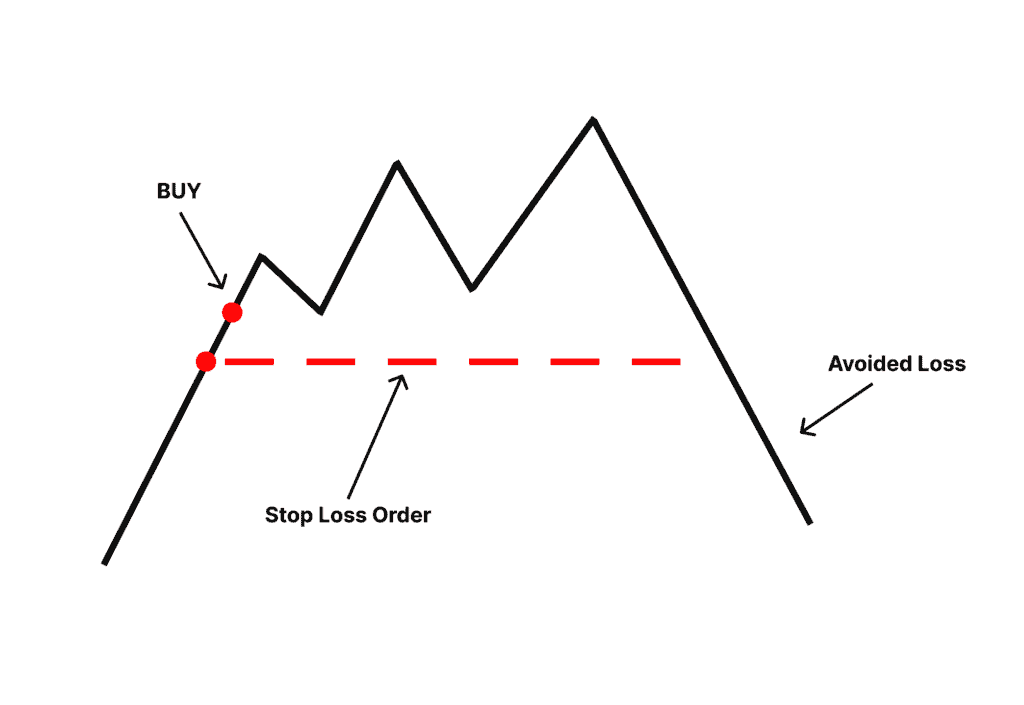
An instruction placed with a broker in advance to sell securities if their prices fall below a predetermined level is referred to as a stop loss order. This order is aimed at helping the investor not incur much losses in a trade by selling off the security automatically before the loss reaches unmanageable levels.

Suppose you buy a $50 stock and decide to put a stop-loss order at $45. When the price per share hits $45, the broker will receive instructions through the stop loss order prompting them to sell off the shares at once. By doing so, you avoid continuing loss in case the share price decreases even more.

Among the various stop-loss orders is the trailing stop-loss that shifts the stop price with the movement of the stock price in your favor, so that you can lock profits and avoid losing much.

It’s also useful to compare stop loss vs limit order. A limit order, unlike a stop loss, is designed to buy or sell a security at a specific price or better. For example, if you place a limit order to sell a stock at $45, your order will only be executed if the stock can be sold at $45 or higher. In contrast, a stop loss order becomes a market order once the stop price is hit, which means the execution price might be different from the stop price, depending on market conditions.

In volatile markets, stop-loss orders prove to be crucial since the prices experience quick fluctuations. If you set a stop-loss, then you have taken the emotional part out of trading and ensured that you trade in a disciplined manner. However, it’s important to understand that while a stop loss order can help protect against losses, it doesn’t guarantee that the sale will be executed at the exact stop price, especially in fast-moving or illiquid markets. This occurs because as soon as the stop price is attained, the order changes into a market order, making the real selling price to be slightly different – higher or lower – depending on the prevailing circumstances in the market.

Advantages Of Stop-Loss Order

  • Effective Risk Management: In trading, stop loss orders play a vital role in risk management. With the help of these orders, traders are able to set a predetermined exit point which also means determining beforehand the highest loss level a trader can incur from a single trade. This approach helps in protecting the capital and prevents a single loss from derailing an entire trading strategy. When the market is highly volatile with abrupt and serious price changes, stop-loss orders offer some protection for traders capitalizing on them.
  • Emotional Discipline: The emotions of traders, for instance, fear and greed, often affect trading. With regard to this fact, stop-loss orders are highly useful since they serve to ease the emotional burden which is associated with such kind of trading decisions -they help in automating the process of an individual exiting the market. Because the stop loss order takes care of the exit at a predetermined price, traders will not act impulsively out of panic or euphoria. It encourages disciplined trading, where trade executions are based on strategy applied by a trader and not on emotions.
  • Protection Against Market Gaps: Occasionally, there are unforeseen news or events that make the prices of commodities and securities to experience gap risk. During such occasions, stop loss order Robinhood helps in preventing huge losses since it initiates a selling process before the price gap becomes wide. Even though one cannot be assured that a stop will lead to execution at a particular price, stop-loss orders offer some ways out of the exposure of an investor to risk which cannot be predicted.
  • Simplicity and Automation: The trading process is made simple by stop-loss orders which automate exit strategies. After setting them, one can leave with enough time to think about new opportunities or take care of other trades. This kind of automation becomes important in cases where a trader is not able to keep an eye on the markets all the time, or when a trader is using algorithmic trading strategies.
  • Consistent Trading Strategy: To maintain consistency in trading, traders may use stop-loss orders which prevent them from making varied decisions that could have been caused by responding to the changing market prices. With this kind of consistency, it becomes easier for them to follow their laid down plans and therefore trade better over a long period.

Disadvantages of Stop-Loss Orders

  • Execution Risks: One major problem associated with stop-loss orders is slippage risk. If the market price reaches the stop level, the order becomes a market order and it is filled at the next available price. Under such conditions of high volatility or low liquidity in the market, one may realize an execution price that is even less favorable than the predetermined stop level; so there is a possibility for incurring much more loss than expected.
  • False Triggers: Markets are inherently volatile, and prices can fluctuate within a narrow range before moving in the intended direction. Stop-loss orders set too close to the current price might get triggered by short-term price swings, resulting in the position market being closed prematurely. This can lead to unnecessary losses and missed opportunities if the market recovers quickly after triggering the stop.
  • Overreliance and Complacency: Depending too much on stop-loss orders can result in complacency where traders may not be keen enough to monitor their positions and the general market factors. If traders believe that their investment is protected by the stop-loss order, then they will not be vigilant in monitoring their positions or the market conditions. However, this reliance becomes harmful when there is a rapid change in the market or if the trader does not adapt stop-loss levels to changing market moves.
  • Market Manipulation Risks: In some cases, larger market players might attempt to exploit stop-loss orders by driving prices to levels where stop loss orders are clustered, triggering a cascade of sell orders. This tactic, known as “stop hunting,” can lead to artificial price movements and increase volatility. Such risks are more pronounced in less liquid markets or stocks with lower trading volumes.
  • Limited Flexibility: In many cases, stop-loss orders are inflexible and do not cater for unexpected market changes. For example, when the analysis of a trader shows that a position should be kept for a little while longer because of the good trends in the market, then a stop loss that has been predetermined may lead to an exit before time. This lack of flexibility can sometimes lead to missed opportunities or the forced realization of losses.

Stop-Loss Order Example

To better understand how a stop-loss order works in practice, let's consider a real-world example.

Suppose that you buy 100 shares of XYZ Corporation for $100 each, thinking that it will grow. You decide to set a stop loss order at $90 although you are cautious about the risks involved. By setting the stop-loss order, you will automatically sell the shares if the price per unit of XYZ corporation falls to $90, triggering the stop loss order.

Here's how the scenario could play out:

Scenario 1: Stock Price Falls

If the stock price starts falling because of unfavorable market conditions or an unexpected earnings report, and falls until it reaches $90. Upon hitting this point, a sale is automatically triggered and the stocks get sold for around $90 each depending on various factors influencing the market. As such, in the mentioned scenario, you have only incurred a maximum loss of $10 for every share which totals to $1,000.

Scenario 2: Stock Price Rises After a Drop

Suppose the value of shares belonging to XYZ Corporation falls to $90, then quickly rises again as the result of positive news to $110. Had your stop loss order Robinhood been triggered for a sale at $90 because it was close to the buying price, you would have missed the gain that saw prices rise up to $110. This indicates that one must be very cautious while determining the stop loss level so as not to fall a "whipsawed" victim by short-term market fluctuations.

Scenario 3: Market Gap

Assuming a scenario in which XYZ Corporation announces negative earnings after the close of the market leading to the stock opening at $85 on the following day, far below your $90 stop-loss price. If this happens, the market will trigger your stop loss order as soon as it opens but you will sell the shares and get the money back at approximately $85 (maybe even a bit less than that) because there may be low liquidity or they may not want to buy at this price due to unfavorable market conditions. Although you suffered a loss for selling at slightly below $90 as planned, this was better than holding onto the stock with no plan to exit and experiencing even bigger losses.

The examples show how stop-loss orders can be used in trading and what may happen if they are applied. From these scenarios, it is clear that setting reasonable stop points is vital for every trader. One must set appropriate stop levels depending on the risk tolerance as well as the state of the market, so that this tool could function properly within your overall trading strategy.

Why You Need To Use Stop-Loss Orders?

Trading is a business that deals with risks and profits. A stop loss order is one of the tools used in controlling such risks. This is why it is so important to include stop-loss orders in your trading plan:

1. Protecting Your Capital

The primary goal of any trader is to preserve capital. No matter how well-researched a trade might be, the markets can be unpredictable. Stop-loss orders act as a safety net, limiting potential losses by automatically selling a position when it reaches a predetermined level. This helps ensure that one bad trade doesn’t wipe out a significant portion of your portfolio.

2. Promoting Discipline

Emotions often play a significant role in trading decisions, with fear and greed driving impulsive actions. By setting stop-loss orders, traders can avoid the emotional pitfalls of holding onto a losing position in the hope that it will recover. This discipline helps you stick to your trading plan and make rational decisions, even in volatile market conditions.

3. Mitigating Against Unexpected Market Movements

Markets can move quickly and unexpectedly, sometimes driven by factors beyond a trader’s control, such as geopolitical events, economic reports, or sudden shifts in investor sentiment. Stop loss orders provide a layer of protection against these unforeseen events, helping you limit price losses even when you’re not actively monitoring the market.

4. Freeing Up Time and Reducing Stress

Constantly watching the market and managing positions can be time-consuming and stressful. Stop-loss orders allow you to automate the exit strategy for your trades, reducing the need for constant monitoring. This frees up time for other activities and reduces the stress associated with the potential of unchecked losses.

5. Enabling a Focus on Overall Strategy

Successful trading is not just based on individual trades but rather on the implementation of a well-rounded strategy. The use of stop loss orders enables you to take into account larger things, so that every trade will be provided with some form of risk control measure. In turn, one can think about improving their plan and spotting new chances instead of being involved in monitoring each up and down of the market.

6. Adapting to Market Volatility

The prices change a lot within a short period in unstable markets. To be able to adjust to such volatility and secure your position from quick downward moves, you may use stop-loss orders for automatic exit. This is particularly important for traders who have very limited time to respond to changes in the market.

7. Building Confidence in Your Trading

Confidence in one’s trade decisions can come from having a good risk management plan. Properly placed stop loss orders reduce the chances of making impulsive choices and doubt afterwards. Such an assurance enhances trade outcomes that are both reliable and profitable.

To wrap it up, a trader must utilize stop-loss orders which serve as a fundamental element that enables the control of risks as well as maintaining focus on achieving ultimate success through trading with discipline. Integrating stop loss orders in your trading plan may help you safeguard your trading live account, reduce stress, and improve your trading performance.

Most Successful Crypto Traders To Follow

Successful Crypto Trader

Financial success in crypto trading depends on being updated with market trends and making wise decisions. Using the techniques and knowledge of effective cryptocurrency traders might provide useful direction on negotiating the erratic crypto market. These traders have developed themselves by consistent hard work and a strong ability to predict changes in the market. Learning from these top traders can help you make informed trading decisions and maybe increase your profits in the crypto market regardless of your level of experience with investments.

What can you learn from famous crypto traders?

The crypto market's dynamic and rapidly evolving terrain is characterized by volatility, innovation, and the potential for huge financial gains. One can learn from the experiences of successful traders by following their techniques, the methods they discovered and the strategies they used. There is no doubt that several traders have become powerful personalities in this field. Examining the observations of these well-known crypto traders will help new and experienced traders better grasp the market and strengthen their trading methods. 

1. The importance of Research and Knowledge

One of the most basic lessons you can learn from top crypto traders is the necessity of extensive knowledge of the assets traded and careful research. Before making an investment decision, many traders, for example, must learn the underlying technology, use cases, and market dynamics of cryptocurrencies.

Lesson: Research thoroughly always before investing any money. Know the project's objectives, the team behind it, and its market potential, among other aspects you are investing in. This information will enable you to make wise decisions and resist the tendency toward false information or hype.

2. Risk Management is Key

One cannot ignore the fundamental trading component, risk management. Successful traders stress the need to set stop-loss orders, diversify their portfolios, and only invest what they can afford to lose.

Lesson: Adopt rigorous risk-reducing techniques. Find your risk tolerance and clearly decide on the amount you are ready to lose on any trade. Furthermore, diversification among many assets helps reduce risk and safeguard your funds.

3. Emotional Discipline and Patience

The crypto market may be rather emotive, with price swings over a short time. Successful traders often underline the need to keep emotional discipline and avoid rash judgments motivated by fear or greed.

Lesson: Create and keep to a trading plan. Patience is necessary; occasionally, waiting for the proper opportunity would be better than making an instant trade.

4. Understanding the Market Cycles

Many seasoned traders stress that the crypto market moves in cycles, with times of fast expansion interspersed with corrections. Understanding these cycles will enable traders to decide on entrance and exit positions more smartly.

Lesson: Study market trends and cycles. Recognize that corrections are inevitable in the market and might create purchasing opportunities. Steer clear of the impulse to panic sell during recession; instead, evaluate whether your investments' foundations hold true.

5. The Dangers of FOMO (Fear of Missing Out)

FOMO is a typical psychological trap in trading whereby people feel under pressure to acquire assets because of fast price rises or trends. Many experienced traders caution against allowing this mindset to guide their investment decisions since it might result in bad choices.

Lesson: Keep your feet underground and avoid acting impulsively in response to market frenzy. Remember that there will always be fresh chances in the market; stay to your research and trading strategy.

6. Learning from Mistakes

Every trader makes mistakes, especially in a volatile market like cryptocurrencies. Effective traders sometimes review their prior mistakes and use them as teaching tools to enhance their plans.

Lesson: Welcome your errors as learning opportunities. Examine the mistakes and change your strategy. Long-term trading success depends on ongoing education and adaptation.

7. The Worth of Networks and Communities

Many successful cryptocurrency traders stress the need for interaction with a trading community. Interacting with other traders can offer insightful analysis, encouragement, and common experiences that will improve your trading skills.

Lesson: To network with other traders, and join trade communities, markets, or social media organizations. Through experience and strategy sharing, one can generate fresh ideas and remain current with market trends.

8. Long-Term vs Short-Term Strategies

While some traders concentrate on long-term investing (HODLing), others engage in short-term trading (day trading); therefore, they approach the market differently. Determining the appropriate approach depends on knowing your risk tolerance and investing goals.

Lesson: Determine your investing plan depending on your risk tolerance and financial objectives. Ensure your strategy fits your overall investing goals, whether you trade actively or HODL.

9. Stay Informed About Regulatory Changes

The scene of cryptocurrencies is always changing since laws vary greatly among various countries. Good traders keep current with changes in regulations that can affect their assets.

Lesson: Keep educated on the local and worldwide regulatory environment. Knowing the effects of legislative changes can enable you to avoid possible hazards and make wise judgments.

10. Adaptability and Flexibility

The crypto market is known for its fast changes; hence, successful traders usually stress the need of flexibility. Techniques that apply in one market could not be used in another.

Lesson: Be ready to change your plans depending on the state of the market. Successful traders are mostly flexible and adaptive, which helps them to negotiate the always-shifting terrain of cryptocurrencies.

For both new and experienced traders, learning from the experiences of well-known cryptocurrency traders can offer insightful analysis and techniques. In the erratic environment of cryptocurrencies, traders can improve their chances of success by emphasizing research, risk management, emotional discipline, and adaptability. 

Long-term success in the crypto market depends on staying educated and linked with the trading community. 

The crypto sector presents various benefits that draw people in as a full-time job option. A big lure is the independence and flexibility to work remotely with flexible scheduling, which lets professionals operate from anywhere with an internet connection. Particularly for those who can profit from the market's volatility, the possibility for great gains is also rather important. Entrepreneurs see chances in this area to develop creative ideas and influence the direction of the sector. Working in cryptocurrencies also puts experts first and foremost in innovative technologies, with uses in everything from digital identity to supply chain management to banking.

Many different career routes are available in the crypto sector, each needing certain knowledge and abilities. Investing and trading call for studying market patterns and creating plans to profit from price swings. Roles in engineering and development center on infrastructure, smart contracts, and blockchain-based apps. Marketing and business development professionals support initiatives, create partnerships, and advance technology acceptance. Experts in research and analysis look at the market, assess initiatives, and offer ideas to direct company decisions and investments. Roles in operations and compliance guarantee that initiatives follow pertinent rules and run effectively.

Although crypto jobs have numerous advantages, they also create difficulties. The market's volatility could result in significant profits and losses, so experts must control risk and keep discipline. Professionals must remain knowledgeable and flexible as the regulatory terrain is complicated and differs depending on the country. The continually changing crypto space's steep learning curve calls for constant education and adaptation. Moreover, the absence of conventional career routes forces individuals to build their networks and competencies to progress proactively.

Professionals wishing to excel in a crypto career should lay a strong basis in crypto and blockchain, then focus on a particular area like trading, development, or marketing. Maintaining knowledge and spotting possibilities depend on a strong network built via industry events and community involvement. Maintaining current knowledge of new technologies and trends depends on ongoing education. At last, good risk management techniques are required to guard assets and reduce possible losses.

Top Crypto Traders

The CEO of Binance, the biggest crypto exchange in the world based on trading volume, Changpeng Zhao, sometimes known as CZ, is considered the biggest crypto trader in the world. With a computer science background, CZ was born in China and worked at Blockchain.info and OKCoin before starting Binance in 2017. His wealth, expected to be between $33 and $65 billion as of 2024, has been mostly driven by his choice to start Binance and own a 70% share in the firm.

American programmer and trader with experience in quantitative trading Sam Bankman-Fried (SBF), the CEO of FTX. In 2017, he co-launched Alameda Research, a private trading company; later in 2019, he founded FTX, rapidly expanding the exchange to a $32 billion valuation. With co-founding Alameda Research and FTX, SBF's net worth—which is projected at $24 billion in 2024—has been much enhanced.

American computer programmer Brian Armstrong, co-founder of Coinbase, worked for Airbnb as a software developer. 2012 saw him co-found Coinbase; it went public in a historic IPO in 2021. With an estimated $2.7 billion as of 2024, Armstrong's major source of riches is his sizable Coinbase ownership.

Developing the second-largest cryptocurrency by market capitalization mostly depended on Russian-Canadian programmer Vitalik Buterin, co-founder of Ethereum. With a net worth of $1.5 billion as of 2024, he is among the richest people in the cryptocurrency world, having participated in Ethereum and owning large ETH tokens.

Founded Digital Currency Group (DCG) Barry Silbert is an American entrepreneur with experience in investment banking. Under his direction, DCG has invested in several thriving crypto startups like Blockstream, Coinbase, and Ripple. Estimated at $1.6 billion in 2024, Silbert's strategic investments through DCG have been the main source of his riches.

American entrepreneurs and co-founders of Gemini Cameron and Tyler Winklevoss are well-known for their early Bitcoin investments and legal dispute with Mark Zuckerberg over the beginnings of Facebook. Their predicted net worth of $1.5 billion each as of 2024 is significantly influenced by their early Bitcoin purchases and the growth of Gemini, a leading crypto exchange.

First hired by Polychain Capital, Olaf Carlson-Wee has since built a profitable crypto hedge fund. With a projected net worth of $1 billion as of 2024, Carlson-Wee is among the richest people in cryptocurrency thanks to early Ethereum investments and the portfolio expansion growth of Polychain Capital.

Originally from finance, American businessman and hedge fund manager Michael Novogratz founded Galaxy Digital. His wealth, projected at $5.6 billion in 2024, has been much enhanced by early Bitcoin and Ethereum investments and Galaxy Digital's performance.

American investor and entrepreneur Cathie Wood, creator of ARK Invest, has a strong finance history. Her investment management company, ARK Invest, has made large investments in blockchain and cryptocurrency startups, adding to her net worth of $60 million by 2024.

Co-founder of Three Arrow Capital Su Zhu is a financially experienced Singaporean businessman. With an estimated net worth of $1 billion as of 2024, he is among the richest people in the cryptocurrency space, having early Ethereum investments and the success of Three Arrow Capital's portfolio.

Launching the first distributed digital money in 2009, Satoshi Nakamoto, the pseudonymous developer of Bitcoin, transformed the financial scene. With an expected net worth of $75 billion in 2024, Nakamoto's early mining activities—which produced about a million Bitcoins—have made him among the richest people in the world.

Co-founder of Bitmain Jihan Wu was instrumental in enabling the firm to be a major player in the Bitcoin mining sector. His wealth, projected at $3 billion in 2024, has resulted from his leadership at Bitmain and large expenditures in Bitcoin mining hardware.

Litecoin's inventor, American programmer and former Google employee Charlie Lee. His projected net worth of $500 million as of 2024 has mostly come from his development of Litecoin and early LTC token ownership.

American businessman and early Bitcoin investor Roger Ver, is well-known for supporting Bitcoin Cash. Early Bitcoin investments made by Ver and support of Bitcoin Cash have helped explain his projected $500 million wealth in 2024.

American actor and businessman Brock Pierce has been active in the crypto market from its early years. Among the various prosperous crypto initiatives he co-founded are Tether, the business underpinning EOS, and Block.one. With an estimated net worth of $700 million in 2024, Pierce is among the richest people in the crypto field because of his varied portfolio and early engagement in the sector.

Crypto Loss Stories and What We Can Learn from Them

The volatility of the crypto market is a two-edged blade; it presents chances for large profits but also exposes investors to losing big. Some of the most well-known crypto loss tales underline the important lessons every trader and investor should absorb.

A terrible hack of the decentralized wallet service Mixin Network in September 2023 caused a loss of around $200 million. The intrusion compromised user credentials by targeting the cloud service provider's database. Mixin halted its deposit and withdrawal systems following the hack, exposing just half of the user assets to be safe. Plans call for repurchasing the "bond tokens" the network suggested as a temporary solution for customers to claim their losses. This event emphasizes the need to prioritize security while working with cryptocurrency. Hardware and multi-signature wallets provide a strong defense against such breaches; hence, investors should choose these. Furthermore, before handing any platform your money, you should investigate its security systems completely.

Another warning story is the QuadrigaCX fall in early 2019. Following the untimely death of Gerald Cotten, the only keeper of the exchange's cold wallets, the Canadian crypto exchange fell apart. Over 115,000 people could not access their money as Cotten had not told anyone the passwords. Further aggravating the losses was the later disclosure that QuadrigaCX was running as a Ponzi scheme. This instance shows the perils of depending on one person or company to handle assets. Avoiding such disastrous results depends on diversification of custody and selecting exchanges with open operations.

German engineer Stefan Thomas lost access to 7,002 Bitcoin, valued at more than $350 million at the time, from an IronKey encrypted hard drive forgotten password. Thomas confronted the terrible possibility of permanently losing access after eight failed attempts, just 10 of which he tried to guess the password. These situations emphasize the need for safe password handling. To save important access data and stop the loss of digital assets, investors should utilize dependable password management systems and apply frequent backup plans.

Likewise, Ukrainian lawmaker Davyd Arakhmia unintentionally destroyed an encrypted file, including his private Bitcoin key, when trying to free up space on his hard disk. His error cost about $200 million. The loss of Arakhmia emphasizes the need for rigorous file management, especially regarding information connected to cryptocurrencies. Before deleting files, investors should verify again and consider adopting hardware wallets, which provide extra security and are less prone to unintentional deletion vulnerability.

The fall of BitConnect, a crypto lending platform running as a Ponzi scam, is maybe the most notorious loss in the crypto scene. Using its loan program, BitConnect ensures huge returns on investments, therefore drawing a lot of investors. However, when the site closed in 2018, investors lost almost $1 billion overall since the scheme's managers vanished with the money. The collapse of BitConnect reminds us sharply to be dubious of any investment opportunity that promises assured high profits with low risk. Avoiding such schemes requires extensive study of a project's validity, business plan, and personnel.

How To Choose The Best Trading Equipment Tools

Selecting the appropriate trading equipment tools is vital for anyone hoping to excel in forex trading. Whether you are a novice or an experienced trader, having the correct instruments can make all the difference in effectively running trades and making wise decisions. Knowing where to start might be taxing, given the wide range of options available. This guide will enable you to negotiate the key elements to consider while choosing the best trading equipment tools, assuring that you are ready to satisfy the market's needs and maximize your trading strategy.

What trading equipment do you need?

In trading, success may also depend on having the right tools. Whether you trade full-time or part-time will affect the kind of tools you need. We will review the trading tools required for both categories, stressing particular requirements and suggestions for each.

A high-performance desktop PC is crucial for full-time traders. These traders depend on several apps and real-time data processing; hence, a robust machine with a fast processor (such Intel i7 or faster), at least 16GB of RAM, and a solid-state drive (SSD) for speedy data access is advised. This extraordinary performance allows flawless operation of trading software, several monitors, and data analysis tools free of lag. Full-time traders also depend on several monitors since they permit the simultaneous viewing of several data sources, charts, and trading platforms. Informed trading decisions result from a configuration that includes at least two to three monitors, each 24 inches or larger with high resolution (1080p or greater), improving the visibility of many charts and market data.

A dedicated trading keyboard and mouse are more advantageous for full-time traders. A dedicated keyboard and mouse can increase speed and accuracy when doing trades. While customized shortcuts simplify the trading process and enable faster order execution, programmable keys, and ergonomic designs help to lower strain during long trading sessions. 

Conducting trades without delays depends on a fast internet connection. Using at least 100 Mbps, a wired connection lowers the danger of slippage and missed chances resulting from connectivity problems. In distracting surroundings, noise-canceling headphones can assist traders in staying focused and concentrating on market analysis and decision-making free from outside disturbances.

Finally, backup plans such as an external hard drive or cloud storage are crucial for safeguarding data and ensuring that crucial trading information and methods are not lost because of hardware breakdown or other unanticipated problems.

Conversely, part-time traders might not need the great features of a desktop and might gain from running a laptop. Without compromising performance, a laptop with at least an Intel i5 processor, 8GB of RAM, and a good SSD provides the versatility required to handle investments from many sites.

Furthermore, smartphones or tablets are helpful for on-the-go trading and monitoring positions. These devices feature dependable trading apps that offer real-time data and notifications, allowing traders to remain linked to the market and control trades wherever at any time. A single monitor arrangement for part-time traders will be sufficient since it will allow enough screen area for trading platforms and charts without taxing the workspace. Clear viewing calls for a 24-inch monitor with at least 1080p resolution.

Choosing Between Laptops and Desktops

Laptop or Desktop

One of the most important decisions one makes about the best trading equipment is choosing between a laptop and a desktop computer. Each option has unique benefits and drawbacks that will affect your trading experience. For example, laptops are made for mobility, so traders may operate from home, a café, or on a plane. Part-time traders or those who place trades on-the-go will find this mobility helpful. For traders with limited workspace, such as those living in smaller apartments or shared workplaces, laptops occupy less space and are perfect. Furthermore, laptops have built-in screens, keyboards, and touchpads, lowering the need for extra peripherals, streamlining the configuration, and clearing clutter.

Still, laptops have several shortcomings. Usually having less strong hardware than desktop computers, they can restrict performance during high-volume trading operations. This can be a major drawback for skilled traders whose trade plans depend on big data analysis and several apps. Furthermore, since many parts of a laptop are soldered into the motherboard, upgrading components in one can be challenging or impossible. This restriction can make laptops less useful for traders willing to keep up with technical developments over time. Another problem is cooling; because of their small design, which can cause overheating after extended usage, laptops have less effective cooling systems, possibly impairing performance and destroying components.

Conversely, desk computers usually perform better with more powerful CPUs, more RAM capacity, and improved graphics capability. For traders that need quick execution and the capacity to run several programs concurrently, this improved performance is vital. Easy upgrades are another feature of desktop computers, letting users repair or update parts like the CPU, GPU, and RAM so traders can maintain current systems without buying totally new workstations. Furthermore, desktop computers have bigger chassis that allow more efficient cooling systems—including liquid cooling choices and bigger fans—to preserve performance over extended trading sessions and lower the chance of hardware failure.

Desktops have many shortcomings, notwithstanding their advantages. They are not meant for mobility; hence, traders operating on several sites will find them inappropriate. Those who travel often or are part-time traders may find this lack of mobility a drawback. For traders with limited workspace, desks also call for more physical space—including capacity for extra displays and peripherals—which might be a drawback. Setting up a desktop also requires connecting several components—such as the monitor, keyboard, and mouse—which can call for more technical knowledge and challenge novice traders who would like a simple arrangement.

When evaluating the price, laptops usually cost $800 to $1,500 for good trade models; high-performance versions approach $2,000 or more, especially those meant for gaming or intense work. Laptops can be more reasonably priced for part-time buyers or those not needing high-end specs. Conversely, a good trading desktop may begin at $1,000 and rise to $2,500 or more for high-end machines featuring premium components. Although the initial outlay could be more, desktops are a superior long-term investment for serious buyers since, for the price, they usually offer better performance than laptops.

Importance of Specifications

Whether a laptop or desktop, the specifications of your computer hugely affect your whole trading performance when choosing trading tools. Your trading success will be much enhanced by knowing the relevance of these criteria. Performance is one of the main factors guiding trade equipment choice. When chart analysis, trade execution, and real-time market news monitoring are involved, traders want a computer capable of managing several apps concurrently. Like an Intel i7 or higher, a system with a strong CPU and plenty of RAM of 16GB or more guarantees that you may operate sophisticated trading software without lag. This speed is necessary in trading, where milliseconds could decide profit or loss.

Another vital component is reliability. Especially during volatility, trading systems demand constant and steady performance. Frequent crashes or freezes in a system could cause missed opportunities or, worse case, financial losses. Maintaining stability during extended trading sessions thus depends on investing in premium components, including SSDs for faster data access and strong cooling systems to stop overheating. 

Moreover, the capacity to enhance your trading tools is crucial. You might have to improve your system to match new tools and software as trading methods change and technology develops. Usually having more upgrade potential than laptops, desktop computers let you replace graphics cards or add additional RAM. This adaptability guarantees your trading setup's competitiveness and helps to extend its lifetime.

Selecting trading equipment always involves consideration of price. While desktops might start at about $1,000 and go up to $2,500 or more for high-end versions, laptops usually range from $800 to $2,000. For professional traders who need high processing power and expandability, desktop computers are a more affordable choice even if laptops offer mobility and performance for the price is usually greater.

Mobile Trading

Mobile trading has given traders formerly unheard-of access and freedom, transforming their interaction with the Forex market. As cell phones are now a mainstay of daily life, traders—especially those in the retail industry who value speed and convenience—have drawn a broad spectrum of interest in the capacity to trade on the go.

Part-time traders, casual investors, and those who would rather handle their accounts on the go specifically do mobile trading. This group sometimes consists of younger traders who, free from a desk, want to seize market possibilities and are more at ease with technology. Professional traders also find mobile apps helpful for tracking trades and running orders while away from their main trading setups, guaranteeing they remain sensitive to movements in the market.

Although Android and iOS systems provide robust features for mobile trading performance, some variances exist. Particularly with trading tools like MetaTrader and Thinkorswim, iOS devices—including iPhones and iPads—are frequently hailed for their reliability and optimal performance. Generally, by getting updates more rapidly and having fewer compatibility problems, the iOS ecosystem can improve security and functionality. 

Conversely, Android handsets offer a greater spectrum of hardware choices, which lets traders pick devices that meet their performance requirements and financial situation. Although the diversity of devices and operating systems may cause sporadic problems or errors in some Android apps, several top trading apps have optimized their platforms to guarantee seamless functioning across multiple Android devices.

Except for MetaTrader 4 and 5, FOREX.com, and Thinkorswim, most of the leading Forex trading apps fit Android and iOS. This cross-platform availability lets traders pick their favorite operating system without compromising capability. Regarding user experience, both systems provide simple layouts and necessary tools, including real-time quotations, graphing tools, and account administration capacity. On the other hand, iOS apps sometimes include a more refined design and easy-to-use navigation, which would improve the whole trading experience.

Final Word

Selecting the appropriate trading tools is an important step that will primarily affect your general success and trading performance. Whether you manage trades part-time or are a full-time trader, your equipment—from small laptops to high-performance desktops—should fit your trading style, goals, and budget. Essential elements, including processing capability, reliability, upgradeability, and cost control, help guarantee that your trading setup satisfies your wants. Furthermore, mobile trading has evolved into a necessary instrument, providing accessibility and adaptability for both amateur and professional traders. Carefully weighing your needs and the particular expectations of the markets you interact with will help you to make the appropriate investments in tools to improve your trading effectiveness, remain competitive, and finally reach your trading goals.

How to Switch Forex Brokers? Do It Properly

Forex Brokers Switch

Switching Forex broker is an important decision that may help you improve your trading experience in terms of better tools and trading environment. Changing brokers can open up new trading opportunities regardless of your reasons for discontent with prices, execution speed, or customer service. Still, a seamless transfer depends on thorough preparation. This article covers all the key steps, from looking for new brokers to safely moving your funds and trading history. Following these best practices will help you to make a wise shift, maximize your trading experience, and set you in line for success on your Forex trading path.

Is it a good idea to switch forex brokers?

For traders trying to enhance their trading experience and outcomes, changing Forex brokers is a smart decision. To decide whether the change is appropriate, one must consider numerous elements.

Reasons to Switch Brokers

Poor trading conditions—such as high spreads, long execution times, or frequent slippage—which can limit profitability—are one main reason to switch brokers. Choosing a broker with superior trading conditions, tighter spreads, and faster trade execution can significantly enhance your trading results. Another factor to consider when changing is insufficient client support. Moving to one with the best service will surely improve your trading experience. 

Regulatory issues are also one of the main factors. Dealing with a well-regulated broker ensures the protection of your funds. If you are concerned about your present broker's ethical or regulatory situation, changing to a more reputed broker will protect your investments. One further factor to weigh changing is higher fees. If your broker increases commissions or trading fees, your profits may suffer. Investigating brokers with more reasonable rates will help you retain more of your gains.

Your objectives and approaches may change as your trading experience advances. It may be time to look for a broker that better fits your new goals if your present one does not support the currency pairs or trading strategies you wish to follow.

Psychological Considerations

One should take the psychological factors of changing brokers under consideration. Frustrated or blaming their broker for trading losses, some traders may feel like changing their current broker. Determining whether your trading techniques cause problems or if the broker is to blame is important. Sometimes, getting extra support or instruction would be more advantageous than switching brokers.

When should I change my Forex broker?

Changing your Forex broker is a key decision influencing your trading results and experience. Although it's not a decision to be taken lightly, some crucial signs suggest a change is due.

Poor Trading Conditions

It may be time to search for a new broker if you regularly struggle with negative trading situations, including wide spreads, slow execution speeds, frequent slippage, limited access to the currency pairs, and hurdles in getting the required trading instruments. These problems directly affect your profitability; hence, your success depends on selecting a broker that provides a better trading environment.

In Forex trading, good customer service is really essential. Ineffective support from your broker's staff, or lack of understanding to enable you appropriately will cause expensive delays and eventually frustrate you. Your trading experience may be much improved by switching to a broker well-known for offering consistent, informed advice.

Regulatory Concerns

The safety of your money and the company's credibility depend on your broker being well-regulated. It's crucial to take care of your concerns regarding the regulatory situation of your present broker or about suspected unethical behavior. Turning to a respectable, well-regulated broker can help you to relax more and safeguard your money.

Increasing Fees

High trading expenses including spreads, commissions, and other fees, may erode your earnings. It could be time to look at other brokers with more competitive rates if your broker increases these expenses to a level that renders your trading techniques less successful. Reducing your trade costs will increase your profitability straightforwardly.

Evolving Trading Goals

Your objectives and techniques may shift as you advance in your Forex trading. It may be time to move to a broker that more closely fits your goals if your present broker no longer supports your changing needs—such as providing various currency pairs or tools for new objectives.

Psychological Aspects

One could also give psychological factors some thought while considering different brokers. Sometimes, frustrated traders seeking answers for their losses could be motivated to change brokers. Still, it's important to be honest about whether your own trading techniques are the cause of the problems or the broker is. Sometimes, pursuing further study or changing your strategy would be better than choosing another broker.

Although changing Forex brokers is risky, you can determine if a change is required by closely reviewing your existing broker's performance, costs, customer service, and regulatory situation. You increase your chances of success in the Forex market by selecting a broker who more closely fits your trading objectives and requirements.

Why People Want to Switch Forex Brokers?

Mainly, traders change Forex brokers to enhance their performance and experience. Common causes include poor trading conditions that could influence profitability using high spreads and lengthy execution times. Insufficient customer care also motivates traders to look for brokers offering better service. Regulatory issues, especially questions regarding the authenticity or safety of a broker's money, force traders to choose more respectable substitutes. Increasing fees can reduce profits, forcing traders to look at cheaper solutions. Furthermore, if traders' aims and approaches change, they might look for brokers more suited to their new direction.

What are the transfer fees for Forex?

One must first grasp transfer fees and related expenses to ensure a seamless transition when changing Forex brokers. Transfer costs can differ between brokers and can affect your general profitability.

Transfer Fees for Forex

Transfer fees are expenses paid when funds are moved from one broker to another. These costs can cover deposit fees at the new broker, withdrawal fees, and any intermediate charges paid by payment processors or banks. While some brokers might charge a set fee or a percentage of the total being moved, others might provide free transfers.

Examples of Transfer Fees from Top Brokers

  • Although OANDA does not charge a fee for withdrawing money, your bank or payment processing company could impose one. They neither charge for deposits either.
  • IG Group: Depending on the payment method, deposits are usually free; IG charges a withdrawal fee of roughly $5 for bank transfers.
  • Forex.com charges a $25 withdrawal fee for wire transfers; deposits are not charged.
  • Interactive brokers charge $0 for electronic fund transfers but may charge $10 for checks and $5 for wire transfers.

Other Costs to Consider When Switching Brokers

  1. Inactivity Fees: Some brokers will charge inactivity fees if your account stays inactive for a designated period. Review the new broker's policies to prevent unanticipated costs.
  2. Account Minimums: Consider if the new broker calls for a minimum deposit to create an account. Your accessible trading capital may suffer as a result.
  3. Spreads and Commissions: Review the trading expenses at the new broker, considering commissions and spreads. Though transfer fees are higher, a broker with smaller spreads will ultimately save you money.
  4. Currency Conversion Fees: Should you move money from one currency to another, be advised of any conversion costs involved in the transfer procedure.

Step-by-Step Guide to Switch Forex

For traders looking for better trading conditions, enhanced customer support, or more competitive fees—switching Forex brokers can be an essential step. However, the process needs some preparation to ensure a seamless change. 

The main steps to follow while changing brokers are:

Step 1: Evaluate Your Current Broker

Think back on your motivations for wanting to switch brokers. Typical problems are slow execution speed, excessive costs, insufficient customer service, or limited trading instruments. Knowing your particular issues will enable you to find the right new broker. Note any features or services you want in a new broker but do not have in your present configuration.

Step 2: Research Potential New Brokers

Start looking at possible new brokers once you know your demands. Search for respectable companies that provide the services you need and follow reasonable regulations. Consider factors, including trading conditions by comparing commissions, spreads, and execution times.

  • Trading Conditions: Compare spreads, commissions, and execution speeds.
  • Regulatory Compliance: Ensure the broker is regulated by a reputable authority, which adds a layer of security for your funds.
  • Customer Support: Investigate the quality of customer service through reviews and testimonials.
  • Trading Platforms: Evaluate the platforms offered and ensure they are user-friendly and equipped with the tools for your trading style.

Step 3: Open a New Trading Account

After choosing a different broker, proceed to open a trading account. Usually, this entails completing an application form and presenting identifying records for confirmation (KYC). Whether your trading needs call for a standard account, a practice demo account, or a specialized account for particular trading methods, select the account type that best fits them.

Step 4: Fund Your New Account

You will have to make deposits upon approval of your new account. Know the several deposit options; certain brokers may charge fees for particular payment choices. Ensure you know any minimum deposit criteria and the waiting times for funds to become trading-ready.

Step 5: Transfer Your Trading Strategy

Transfer whatever trading strategies or settings you have before closing your former account. Make sure you have backups of technical indicators or automated trading systems should you employ them. This will enable your trading method to remain consistent.

Step 6: Withdraw Funds from Your Old Broker

It's time to pull your money from the previous broker once your new account is ready for trade. See any withdrawal costs and follow the broker's guidelines for taking money out. This could include requesting a withdrawal and waiting for processing times, which varies across brokers.

Step 7: Monitor Your New Account

Watch your account's performance closely following fund transfers and beginning trading with your new broker. Ensure the new broker satisfies your needs, track execution times spreads, and general trading conditions. If you run across any problems, get help from customer service.

Step 8: Close Your Old Account

You can close your previous account if you are happy with your new broker and have verified that all monies have been moved. Consult the broker's particular account closing policies, which can call for formally requesting closure. Before closing the account, look for any outstanding fees or balances to pay off.